What the Fcuk is S.O.L.I.D ?
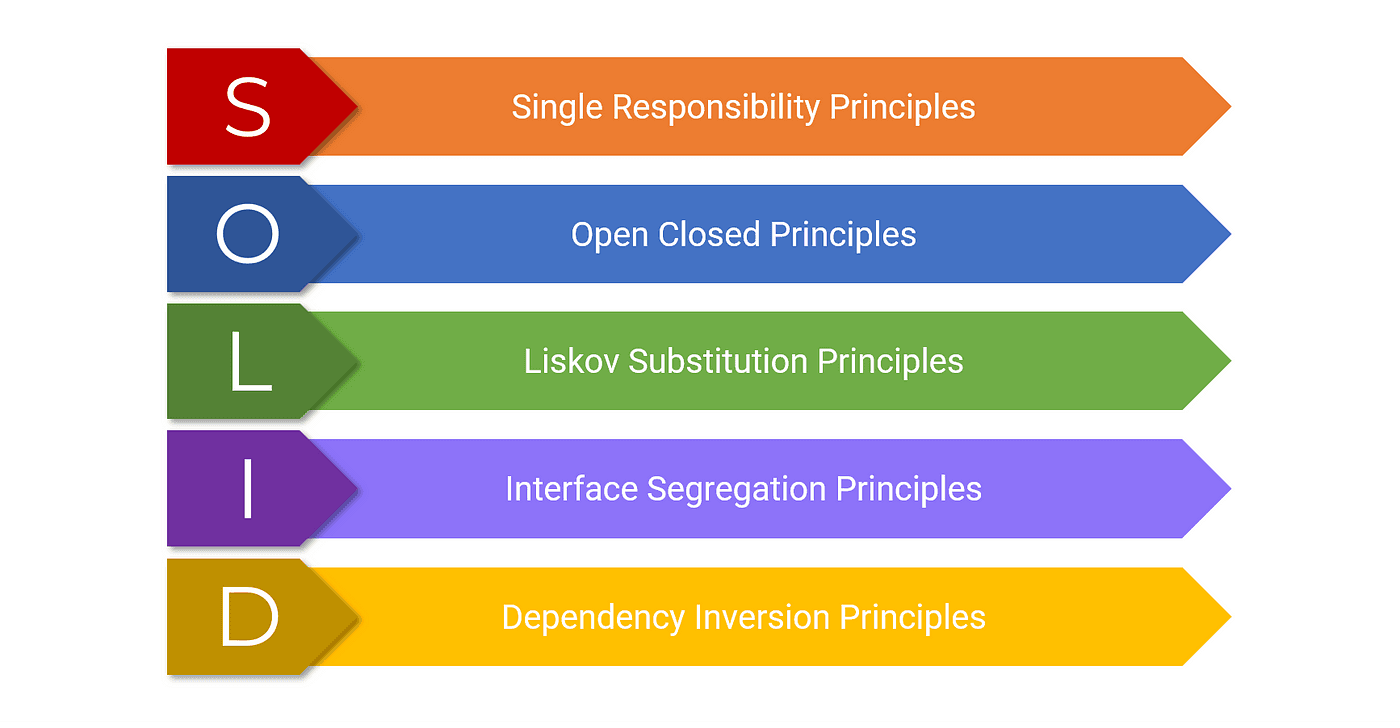
SOLID is an acronym for 5 principles that help you write better, cleaner, and maintainable code, especially in object-oriented programming.
Think of them like rules for good architecture — just like building a house needs a strong base and clear design, software needs the same.
🧠 Why use SOLID?
Code becomes easy to understand
Fewer bugs
Easier to change and update
Promotes reusability
🔠 Let’s break down SOLID one-by-one with daily life examples:
1. S - Single Responsibility Principle
One class should have only one job/responsibility.
🧠 Example: A Housemaid
One maid for cooking
Another for cleaning
Another for washing clothes
If 1 maid does everything, it’s messy. Just like that, a class should only focus on one thing.
✅ So if something goes wrong in cooking, we don’t touch the cleaning part.
2. O - Open/Closed Principle
Software should be open for extension, but closed for modification.
🧠 Example: Mobile Phone Cases
Your phone can add a new case (extend)
But the phone’s internal structure stays the same (not modified)
✅ You should be able to add new features without changing old code.
3. L - Liskov Substitution Principle
Subclasses should be able to replace their parent classes without breaking anything.
🧠 Example: Charging Devices
- If you have a charger slot that fits a phone charger, it should also support any new phone model charger (as long as it’s a phone).
✅ Child class should behave properly when used in place of the parent class.
4. I - Interface Segregation Principle
Don’t force a class to implement things it doesn’t use.
🧠 Example: Remote Controls
A TV remote has TV buttons
A Fan remote doesn’t need volume buttons
❌ Don’t give a remote buttons it never uses
✅ Create small, separate interfaces for different jobs
5. D - Dependency Inversion Principle
Depend on abstractions, not on concrete classes.
🧠 Example: Electricity Plug
You plug your phone, fridge, or washing machine into the same socket
The socket doesn't care what device it is – it just gives power
✅ Your code should depend on general things (like interfaces) not specific ones (like exact classes)
✅ For Now…
We have learned what SOLID principles are all about and also saw some daily life examples to understand them in a simple way.
But still, things might not be fully clear, right?
Don’t worry!
To get complete clarity, we’ll now go one-by-one through each SOLID principle with a real Java code example so that you understand:
What the principle means
What happens if we break it
How to follow it correctly in Java